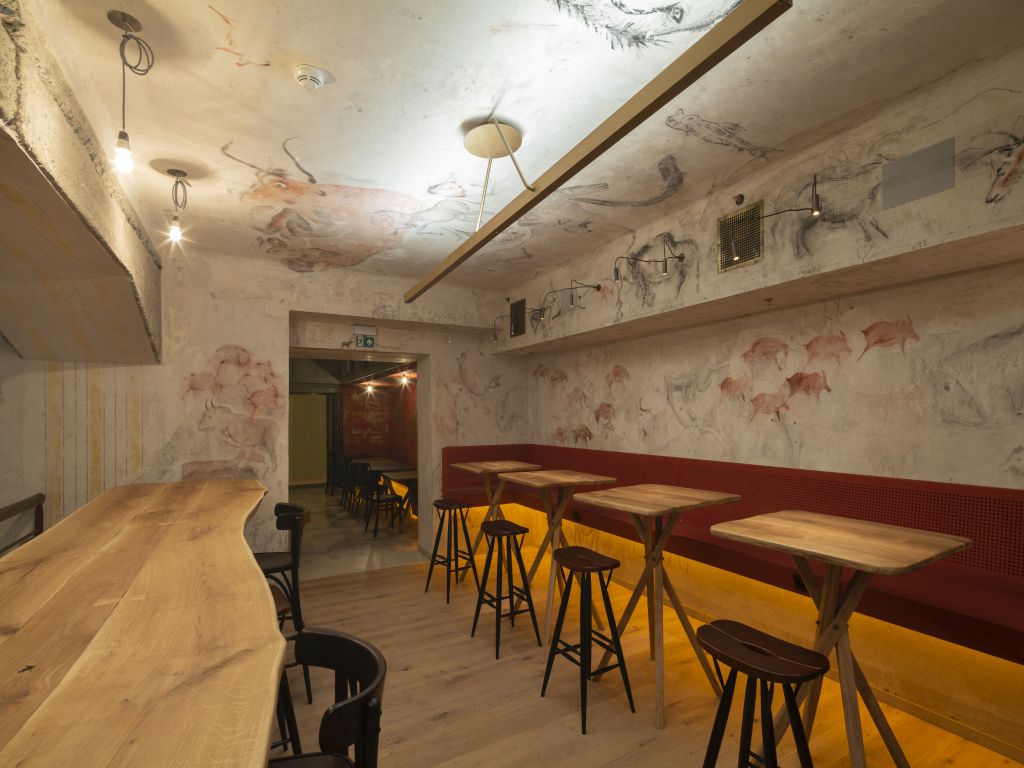
Prague is one of the most visited cities in Europe, and its restaurant scene reflects that reality in complicated ways. There is genuinely excellent food available across the city. There is also a substantial industry built around serving mediocre food at inflated prices to visitors who will never return. Knowing how to tell the difference saves money and produces much better meals.
The Tourist Trap Geography
The geography of Prague's restaurant problem is fairly predictable. The highest concentration of overpriced, underperforming restaurants is in a roughly circular area around the Old Town Square, extending along the Royal Mile toward Prague Castle and down to the Charles Bridge. Within this zone, the economics of tourism have largely displaced any incentive to cook well.
This does not mean there are no good restaurants in the historic centre. There are, but they tend to be either expensive enough to justify their location or obscure enough that they have not yet been discovered by tour groups. Finding them requires some research and a willingness to walk a few streets away from the main routes.
A menu displayed in six languages with photographs of every dish is a reliable indicator that the kitchen is not prioritising quality. Menus that change seasonally, printed simply, in Czech with an English translation, are a better sign.
Neighbourhoods Worth Exploring
Vinohrady is the neighbourhood I return to most often when looking for good food in Prague. It is a residential area about fifteen minutes from the city centre by metro, with a concentration of restaurants that serve local residents rather than tourists. The quality-to-price ratio is consistently better than in the centre, and the atmosphere is more relaxed.
Zizkov, adjacent to Vinohrady, has a rougher character and a strong pub culture. It is where you find some of the most authentic Czech drinking establishments in the city, along with a growing number of restaurants that take food seriously. The neighbourhood has a history of being slightly disreputable, which has kept rents low enough for independent operators to survive.
Dejvice, in the northwest of the city near the university, has a different character — quieter, more residential, with a mix of traditional Czech restaurants and newer places that reflect the changing tastes of Prague's professional class. It is worth exploring if you are spending more than a few days in the city.
What to Order and What to Avoid
In a traditional Czech restaurant, the dishes that are most likely to be done well are the ones that require the most time and skill — svickova, goulash, roasted pork. These are dishes that a kitchen either knows how to make properly or does not. A restaurant that does them well is usually doing everything else well too.
Avoid dishes that are described as "traditional Czech" but are not actually part of the Czech culinary tradition. Fried cheese (smazeny syr) is genuinely Czech and worth trying. Dishes that appear to be Czech but are actually generic central European fare — schnitzel served as "Czech schnitzel," for example — are often a sign that the kitchen is not particularly invested in the local tradition.
The bread that arrives at the table is almost always charged for, even if it appears without being ordered. This is standard practice in Czech restaurants and not a scam, but it is worth knowing in advance.
The Christmas Market Food Question
Prague's Christmas markets, which run from late November through December, are genuinely worth visiting for the atmosphere. The food quality is more variable. Trdelnik is everywhere and ranges from excellent to mediocre. Svarkle (mulled wine) is universally decent. Roasted meats from the larger stalls are often better than you might expect.
The Havelske trziste market, which operates year-round in the Old Town, is a better option for fresh produce and local food products than the tourist-oriented Christmas markets. It is where Prague residents actually shop for vegetables, fruit, and seasonal specialities.
Practical Notes on Dining in Prague
Lunch is the main meal of the day for working Czechs, and many restaurants offer a daily lunch menu (denni menu) that provides a two or three course meal at a significantly reduced price. This is one of the best ways to eat well in Prague without spending a lot of money — the food is often better than the evening menu because it reflects what the kitchen is cooking fresh that day.
Tipping is expected but not at the levels common in the United States. Rounding up to the nearest hundred crowns or adding ten percent is standard. Tipping is done in cash directly to the server, not added to a card payment.
For current information on Prague's restaurant scene, Time Out Prague maintains a regularly updated guide that reflects current openings and closings more accurately than any static resource can.
Beyond Prague
The Czech Republic's best food is not necessarily in its capital. Cesky Krumlov, Brno, Olomouc, and the wine-producing regions of Moravia all have restaurant scenes that reward exploration. Moravian cuisine has distinct characteristics — more wine-friendly, more influenced by neighbouring Austria and Slovakia — that differ meaningfully from Bohemian cooking.
If you have time to travel outside Prague, the journey is worthwhile both for the food and for the perspective it provides on Czech culture more broadly. The country is small enough that most of it is accessible as a day trip from the capital, but staying overnight in a smaller town changes the experience considerably.